seam
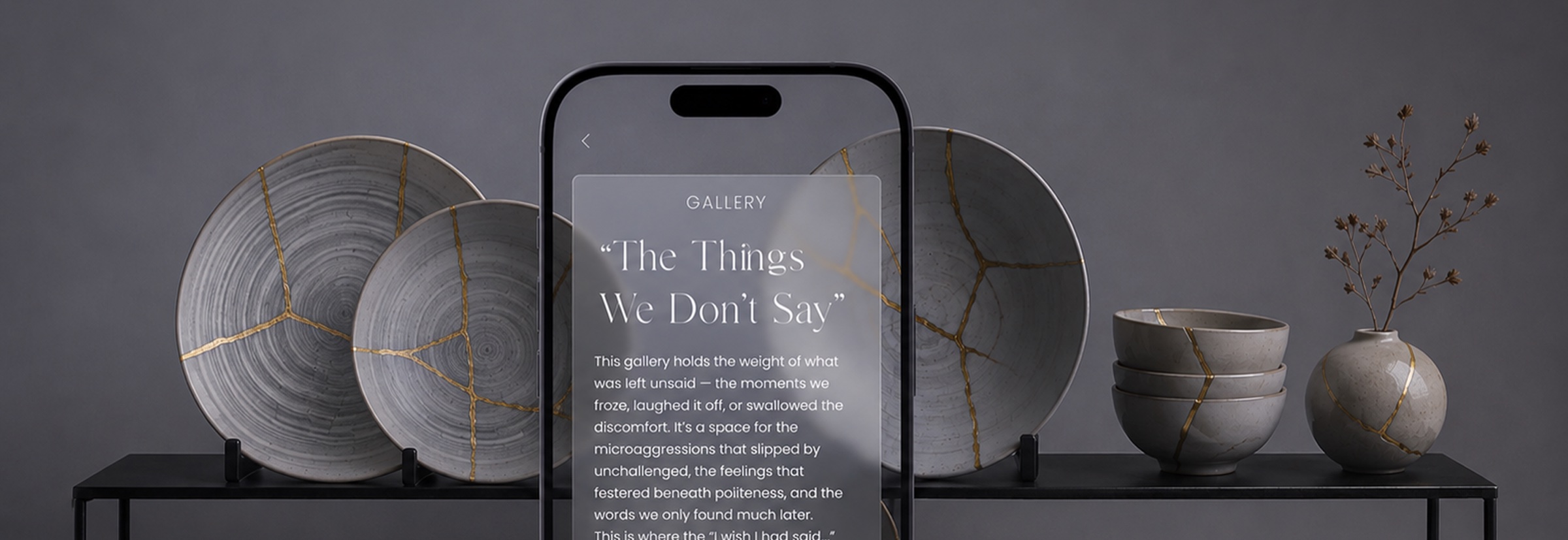
Seam is a kintsugi-inspired therapy support tool for processing gender-based micraggression. seam explores how a digital product can support the emotional work happening between therapy sessions, using Kintsugi as both a physical ritual and an interaction metaphor.
My thesis
My thesis explored how people cope with and build resilience after experiencing gender-based microaggressions. The research looked at these experiences through the perspectives of sexism, trauma, and resilience. In particular, I explored how repeated microaggressions can contribute to self-doubt, internalized blame, rumination, hypervigilance, and a sense of disconnection, while also examining ways people can regain a sense of understanding, agency, and support.
My goal was not to redefine trauma or propose a universal solution to microaggression. Instead, I wanted to better understand the everyday psychological impact of these experiences and explore how design could contribute to resilience, inclusion, and more supportive ways of processing them.
Research
The research showed how microaggressions can remain hidden and under-recognized, leaving people feeling ashamed, isolated, or questioning their own experience. Without recognition or validation, the experience can turn into rumination—replaying what happened and wondering what they did wrong.
I explored existing approaches to recovery, including grounding, sensemaking, and community support. These pointed toward a design that could help users regulate in the moment, reflect on their experiences, and build a sense of support over time.
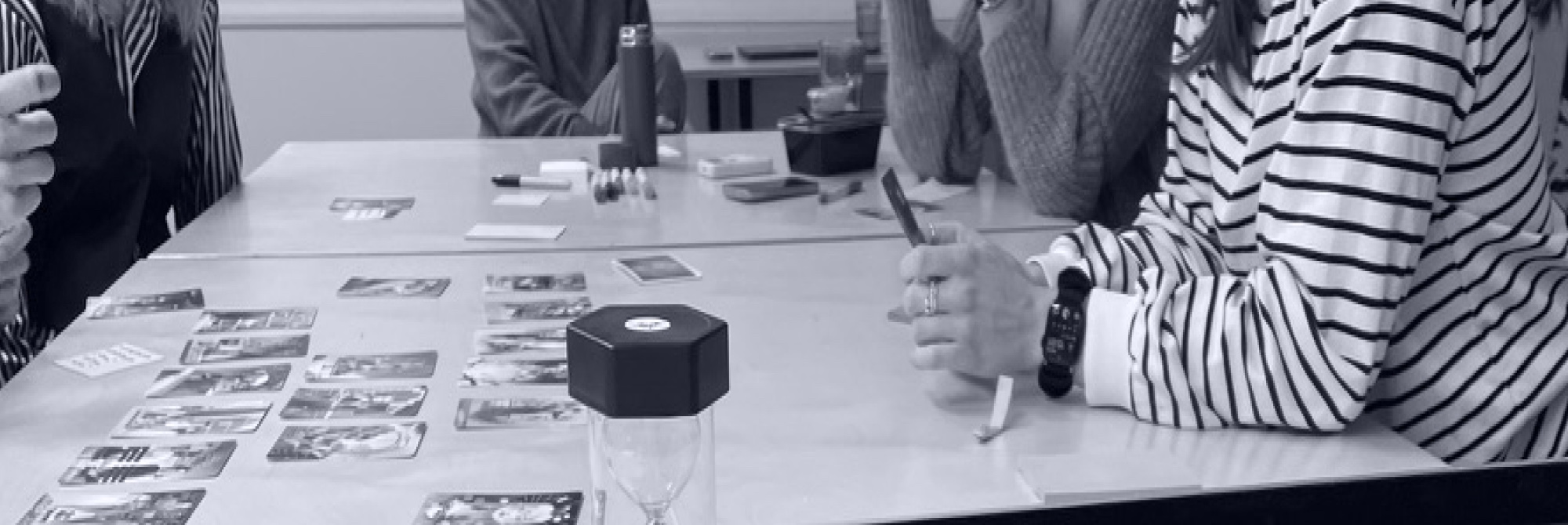
To move beyond theory, I conducted a qualitative workshop with women from academic, creative, and corporate environments who had experienced microaggressions. The workshop was structured in stages that built on each other, first reflecting on personal experiences, then exploring the emotions and impacts, and finally identifying strategies for coping and building resilience. It was very useful to see which real-life strategies they already used and what kinds of support might be meaningful.
User journey
I synthesized the research findings into a user journey to better understand the emotional progression, needs, and pain points of someone experiencing gendered microaggressions. From this, I created a persona that represented the patterns identified through the research and workshop. I then validated both the persona and the journey with a therapist to align perspectives.
1. Experiencing
Experiencing dismissal, exclusion, or another microaggression in everyday life.
2. Accumulating
Individual incidents begin to accumulate starting to affect confidence, sense of self and relationships with others.
3. Seeking support
The accumulated discomfort reaches a point where support feels necessary. Therapy becomes a possible space for processing experiences
4. Internalizing
Instead of being resolved, the experience is replayed internally. They may question their own reaction, rationalize what happened, or blame themselves.
5. Seeking understanding
They may talk to someone they trust, search for information, or consider professional support.
6. Processing and rebuilding
Through therapeutic support, and internal work they can begin moving from fragmented experiences toward greater coherence and resilience.
Ideation
I began looking for a way to make this otherwise invisible process more tangible, something that could acknowledge the damage without suggesting that a person is broken, and I found Kintsugi quickly as a fitting metaphor.
My first concept was a community-based Kintsugi workshop, where participants would create, break, and repair ceramic objects together. However, as I developed the concept, I realized that the intimacy of these experiences could make a group setting uncomfortable or limiting.
After discussing the concept with a licensed therapist, I shifted toward an individual focus that could provide personalized support while still preserving the possibility of community later on.
Feature Development
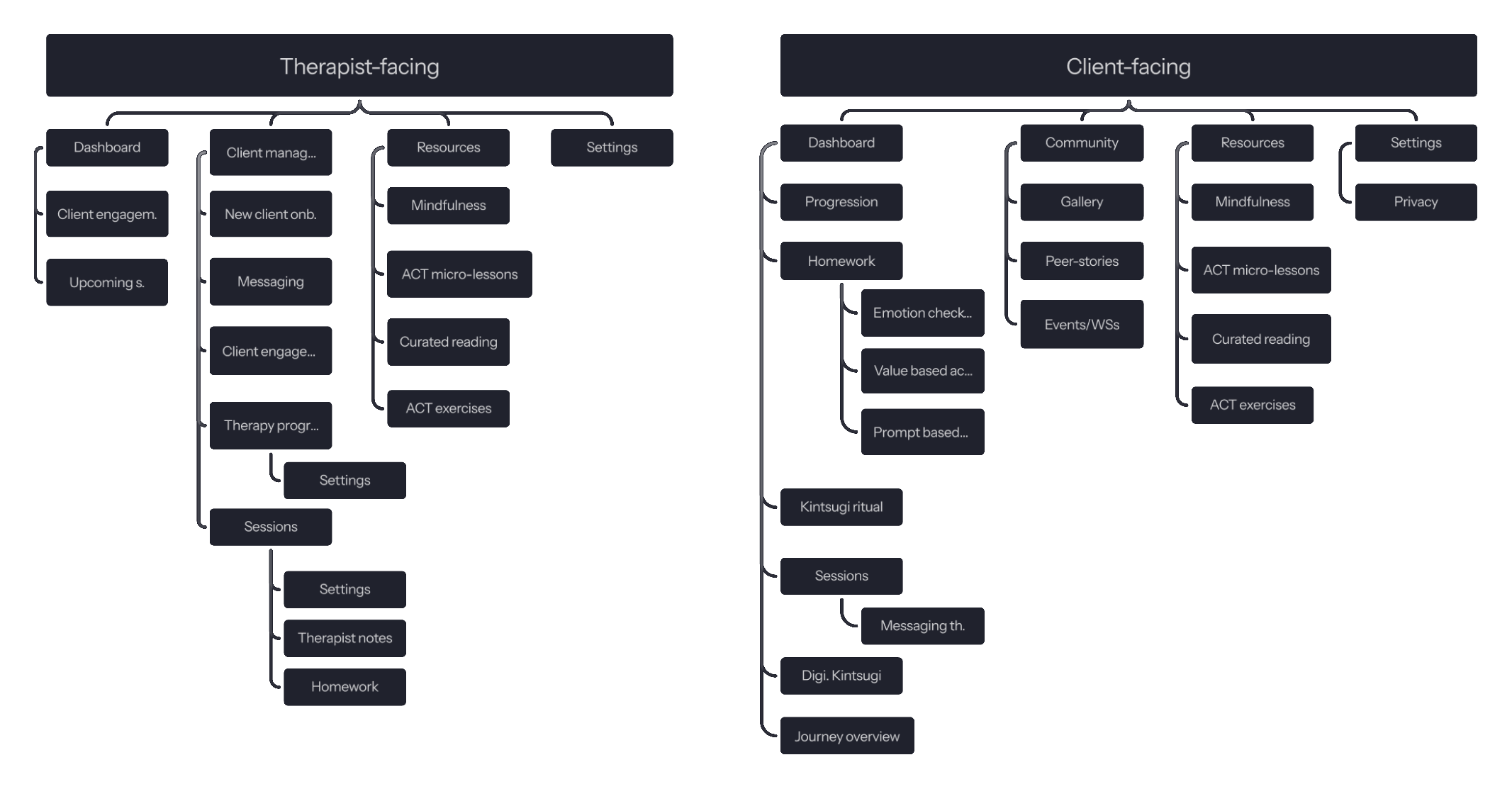
With the concept defined, I translated the core needs and user journey into the key features and structure of the experience. I focused on creating a system that could support the user before, during, and between therapy sessions, while making the Kintsugi metaphor an integral part of the experience rather than a separate visual element.
Testing
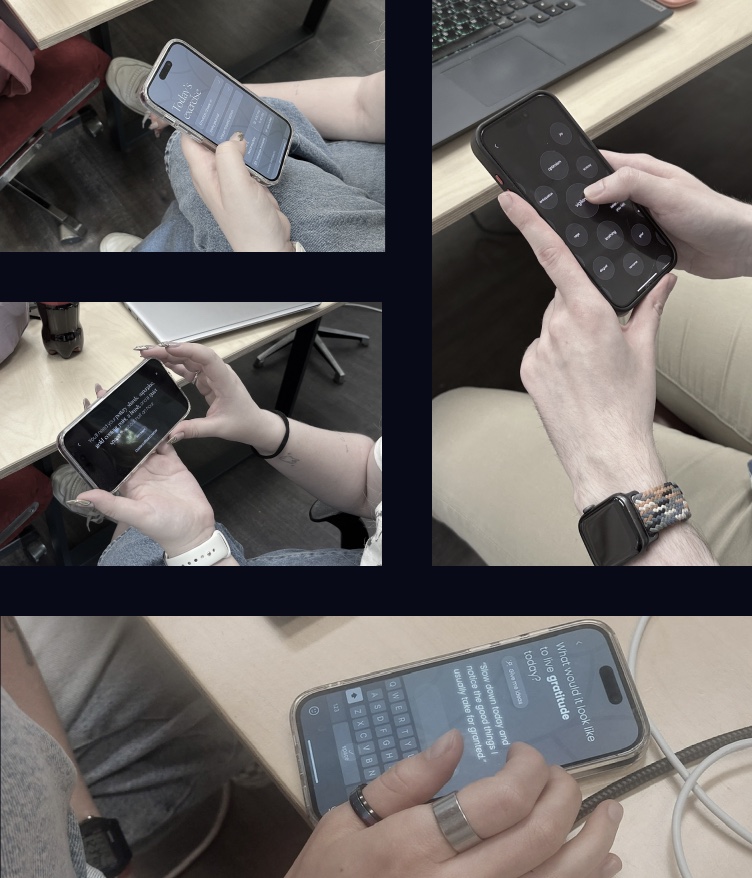
I conducted three rounds of usability testing with a licensed therapist, focusing on the therapeutic logic and emotional safety of the experience, and on the client side, I organized two rounds of usability testing, with 3 participants in the first round and 5 in the second.
Therapist suggested content warnings for exercises that could evoke strong emotional responses. Users are informed about the nature of an exercise before entering it and can choose to skip it rather than being pushed through the experience.
Users recommended, that the onboarding should have more support. The act of choosing and breaking a physical object carries emotional and symbolic weight, and users needed more context before entering that experience. Participants also needed clearer guidance around preparing the physical materials required for the ritual.
The transition into ritual mode received particularly positive feedback. Participants responded to the shift in visual and auditory language, describing it as supportive of introspection. One unexpected observation was that when the interface turned completely black, a participant noticed their own reflection in the screen. Rather than becoming a distraction, this reinforced the reflective quality I was trying to create.
Solution
First steps
User gets onboarded to seam supported by their therapist. The application informs her that they will break a pottery item both digitally and physically and mending it as her sessions progress
Digital twin
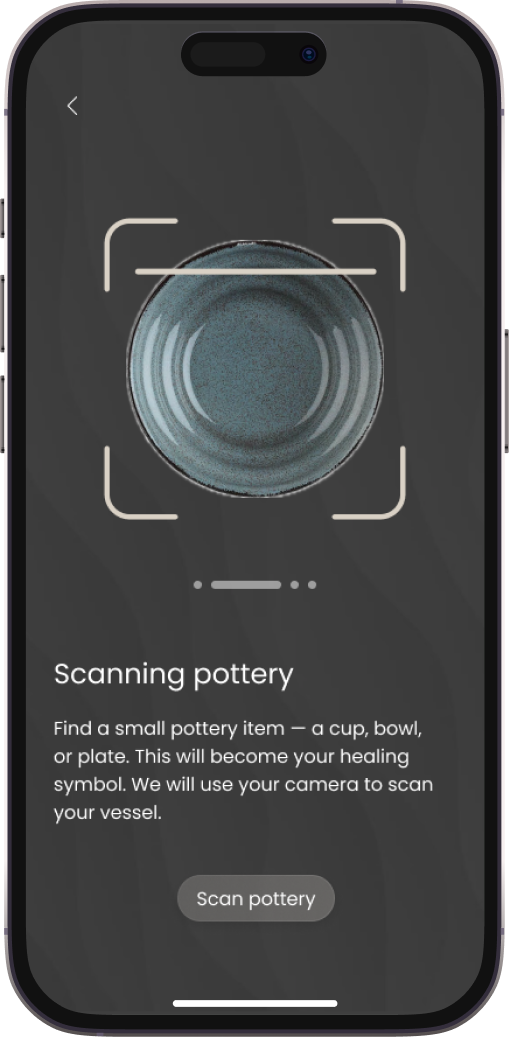
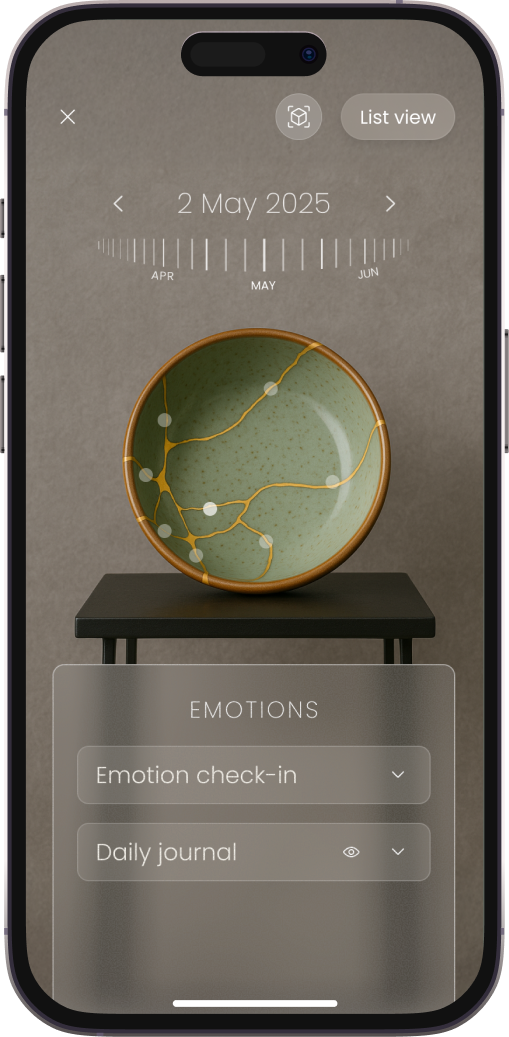
With the physical pottery scanned the interface takes up the look of the physical Kintsugi making the app feel personal. With each exercise users will mend one of the seams of their broken Kintsugis in their application as well.
Therapy
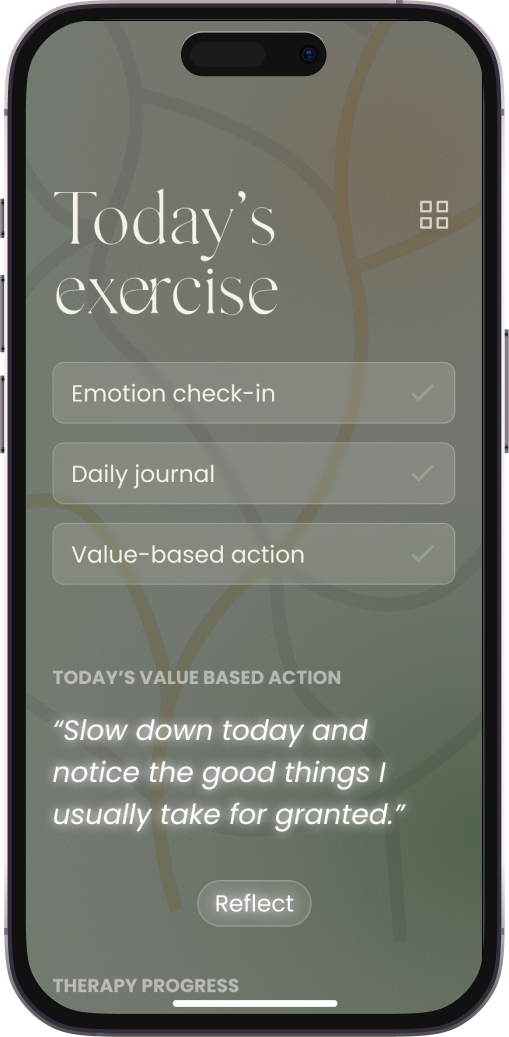
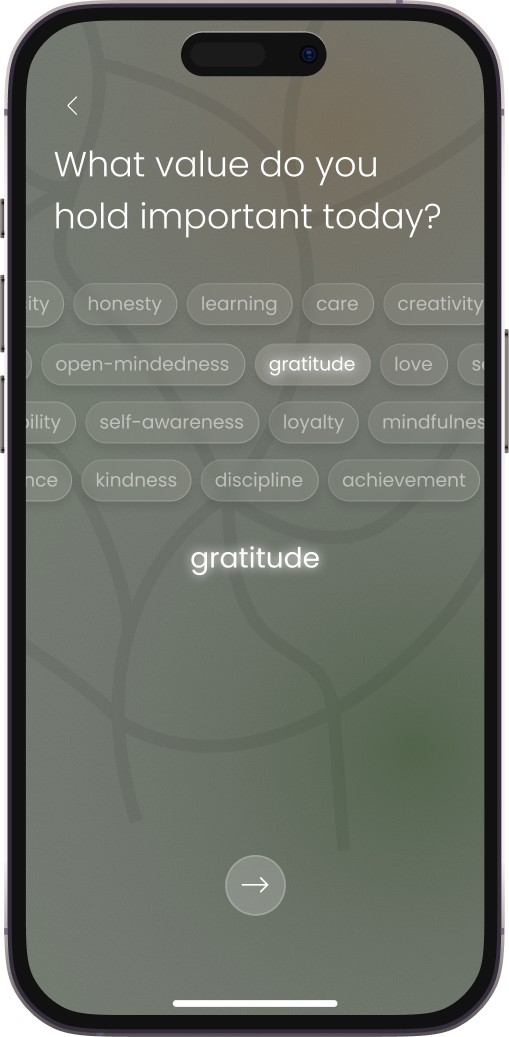
The application supports ACT based homework tasks, mindfulness and education modules. Tasks are assigned as part of the user's therapy journey, giving them structured ways to reflect and practice between sessions while keeping their progress connected to the wider therapeutic process.
Ritual
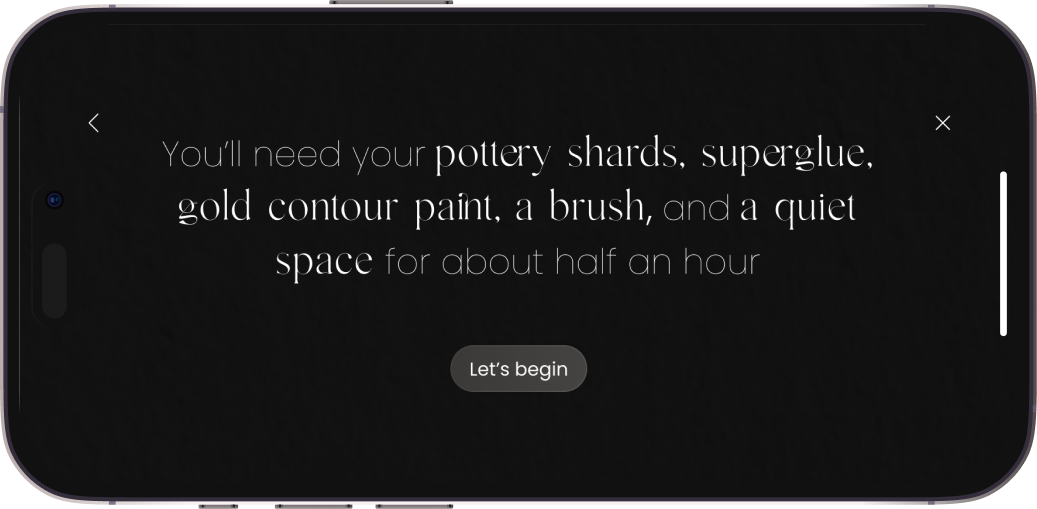
After a set amount of homework is complete, the user is asked to take part in a physical Kintsugi ritual. During the ritual the interface will become minimal and monochrome establishing a reflective space. User is invited to choose between a hands-on or hands-off experience, and after the ritual reflect how they felt during.
Digital Kintsugi
Once the agreed number of therapy sessions is complete and the therapist determines that the journey has reached its end, the app asks the user to finish one final Kintsugi ritual to reveal their finished digital twin, that holds all the exercises and notes the user made throughout their journey.
Community
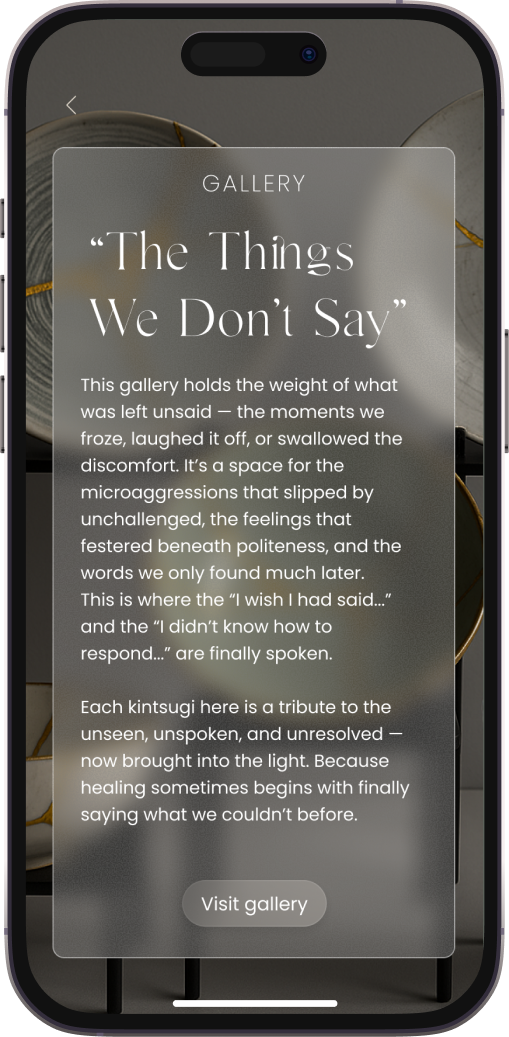
The community gives users the option to share their digital Kintsugi and personal reflections in themed galleries, choosing what they feel comfortable making public, creating otherwise invisible experiences, recognize shared patterns and a sense of collective experience.
Therapist’s interface
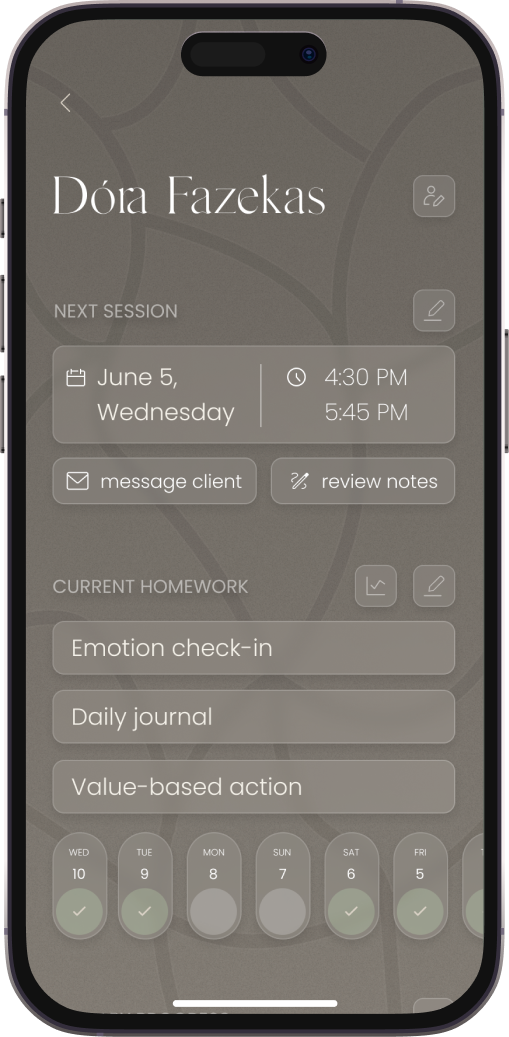
The therapist’s interface allows them to view their clients, plan sessions, assign exercises, and follow progress throughout the therapeutic journey. The aim was to give therapists enough visibility and control to tailor the experience to support the user's journey.
Reflection
One of my biggest challenges was balancing the symbolic with the practical. I wanted Kintsugi to remain a meaningful part of the experience, while making sure it did not overwhelm the user or become purely decorative. This also shaped the visual system: showing progress was important, but making the Kintsugi too present made the interface feel cluttered and stressful.
The project also showed me where a concept like seam needs to remain flexible. While I created a structured therapeutic journey, testing highlighted the need for more therapist customization and more emotional guidance around the physical ritual. These are the areas I would take further with clinical testing and a more adaptable system.
Thank you for taking a look, make sure to check out other works too
 NXLog
NXLog- end-to-end
- product design
- design system
Simplifying complex cybersecurity processes, boosting workflow by 60%
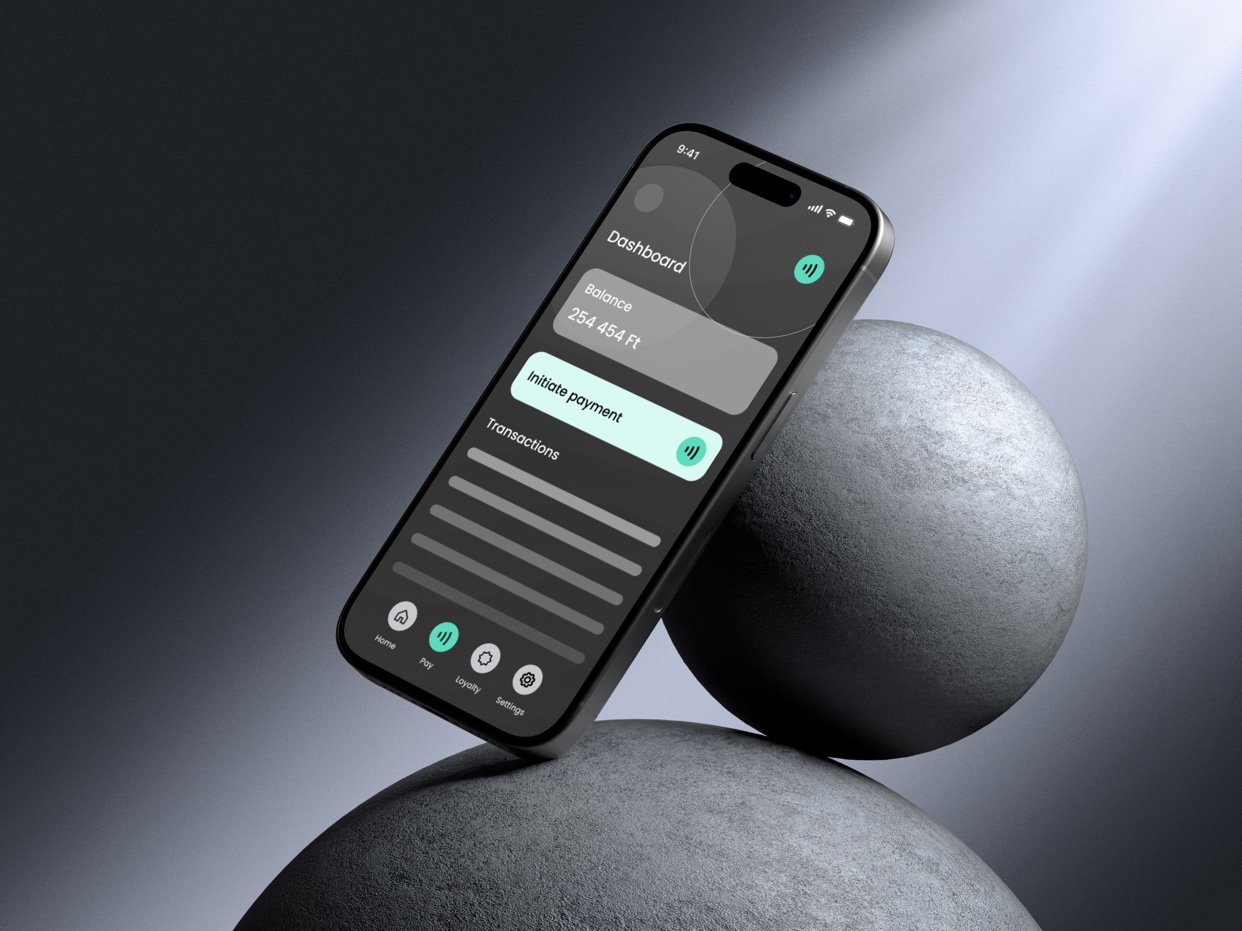 Next gen. payment experiences
- design strategy
- research
- product design
Supporting lead decision makers with long-term product strategy
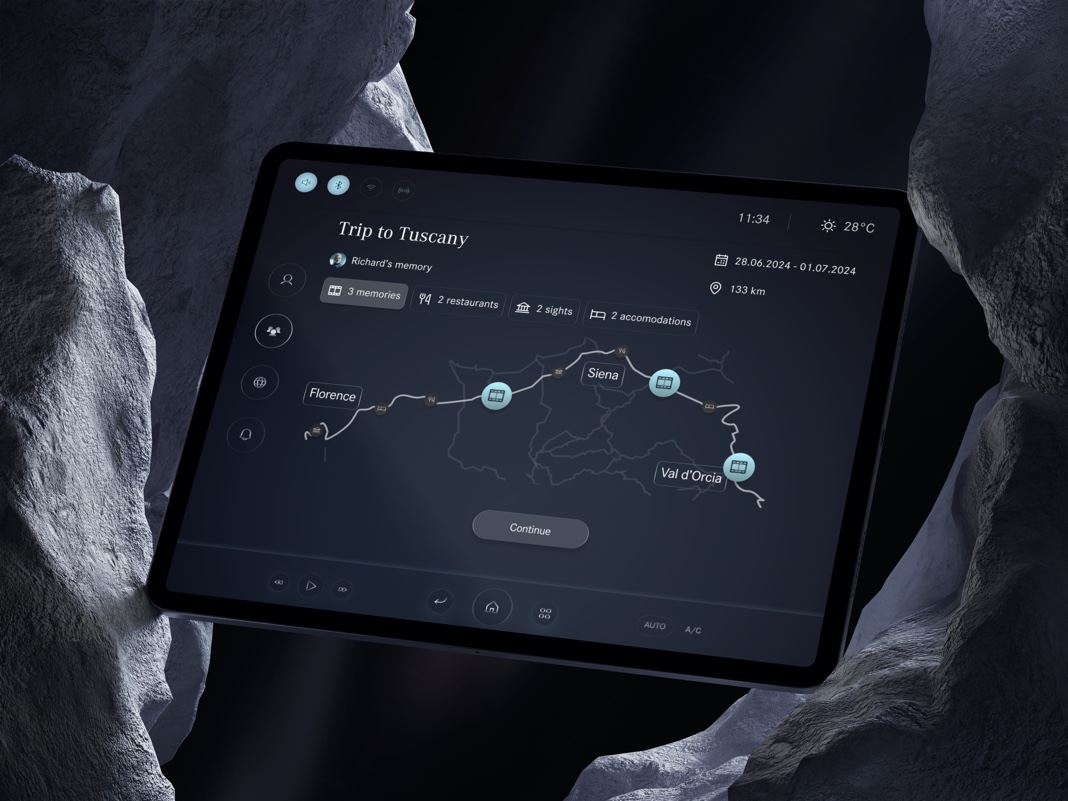 Mercedes Memory Lane
- product design
- speculative
- UX research
Transforming everyday journeys into memories that can be revisited and shared.
If any of the stories behind my projects resonate with you or something you're building, then let's connect!
hello@kitana.design
